0
Items
$0.00

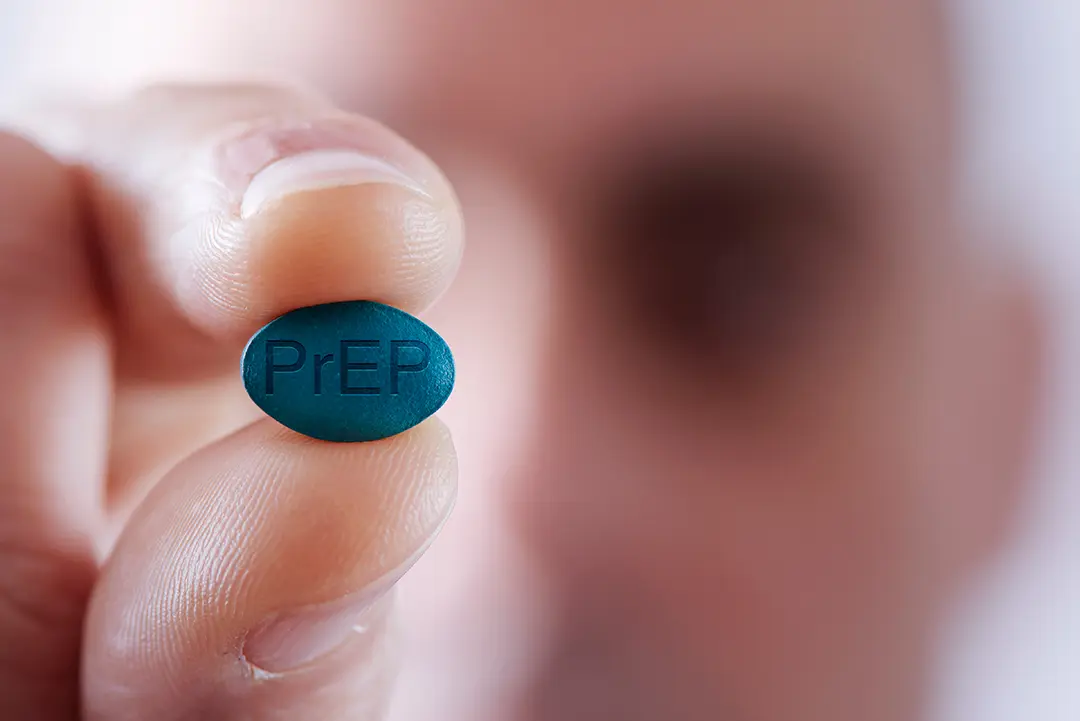
Pre-exposure prophylaxis, known as PrEP, is one of the most important advancements in HIV prevention. It is safe, effective, and has transformed sexual health by shifting HIV prevention from uncertainty to something reliable and predictable.
This guide explains the history of PrEP, how it works, the different forms available today, and what people should know about STI testing while using it.
⸻
The scientific foundation of PrEP dates back to the early 2000s. Researchers studying antiretroviral medications noticed that certain HIV treatments also prevented the virus from replicating inside healthy cells. This observation led to a groundbreaking idea: what if medication could prevent HIV before exposure?
Years of research followed, funded largely through public institutions such as the National Institutes of Health and the Centers for Disease Control and Prevention. Early studies in animals showed remarkable levels of protection. Human trials confirmed that pre-exposure medication could dramatically reduce HIV transmission.
In 2012, the FDA approved the first PrEP medication, Truvada.
This marked a turning point. People now had a medication that provided reliable, ongoing protection against HIV, independent of timing, condoms, or perfect behavior.
PrEP has continued to evolve, reaching millions worldwide and changing sexual health outcomes in profound ways.
⸻
PrEP is one of the most effective medical interventions ever studied.
When taken as prescribed, PrEP reduces the risk of acquiring HIV through sexual contact by about 99 percent. This level of protection has been demonstrated repeatedly in clinical trials and confirmed in real-world settings.
PrEP works by saturating key target cells with medication that blocks the earliest steps of HIV replication. If exposure occurs, the virus cannot establish a foothold. The body stops the infection before it begins.
PrEP does not rely on perfect behavior or timing. That is part of what makes it so effective.
⸻
PrEP has expanded significantly since Truvada was first introduced. Today, people can choose from several different options.
A once-daily pill suitable for all genders. It contains two medications that block HIV replication and remains one of the most widely used forms of PrEP.
A newer formulation taken once daily. It is approved for cisgender men and transgender women. It has not been studied for receptive vaginal sex.
This dosing method is taken before and after sexual activity rather than every day. It is effective for certain populations but should be used only under guidance from a knowledgeable provider. It is not recommended for people exposed through vaginal sex.
The first long-acting injectable PrEP medication. It is administered every two months and provides continuous HIV protection without daily pills. It is ideal for people who prefer infrequent dosing or who struggle with adherence.
Researchers are developing new long-acting injections, implants, and formulations that could be taken only a few times per year. The goal is to make HIV prevention even more convenient and accessible.
⸻
People on PrEP need routine screening for sexually transmitted infections, because PrEP prevents HIV but does not prevent the bacterial and parasitic infections that spread easily through oral, anal, and vaginal sex.
Most PrEP programs correctly include multi-site gonorrhea and chlamydia testing, but many still use minimal or incomplete panels that exclude two common infections: trichomonas and Mycoplasma genitalium. These organisms often go undetected unless specifically tested for, yet they can cause symptoms and spread readily.
Some telemedicine services also use simplified testing workflows, which can give patients a false sense of having received a “full panel” when key organisms were not included.
Anyone using PrEP through a provider that performs limited testing should consider augmenting their STI screening to include trichomonas, Mycoplasma genitalium, and the appropriate anatomical sites.
For a deeper explanation of why this matters, and how proper STI testing should be done, this section links to a full Shameless Care YouTube video dedicated to the topic.
⸻
PrEP is one of the most impactful tools in modern sexual health.
It provides extremely high protection against HIV, offers multiple formats suited to different lifestyles, and empowers people with confidence and control over their sexual health.
Understanding its history, its effectiveness, its various formulations, and how to use it responsibly helps people make informed decisions for themselves and their partners.
If you want the full story of how PrEP was developed, funded, studied, priced, debated, and ultimately adopted, we covered the entire history on the Shameless Care Podcast. It remains one of our most detailed episodes and offers context most people have never heard.
Get valuable knowledge like this, straight to your inbox once a week.
No spam, no sales pitches. Just knowledge. Unsubscribe any time, and we’ll never sell your information.