0
Items
$0.00

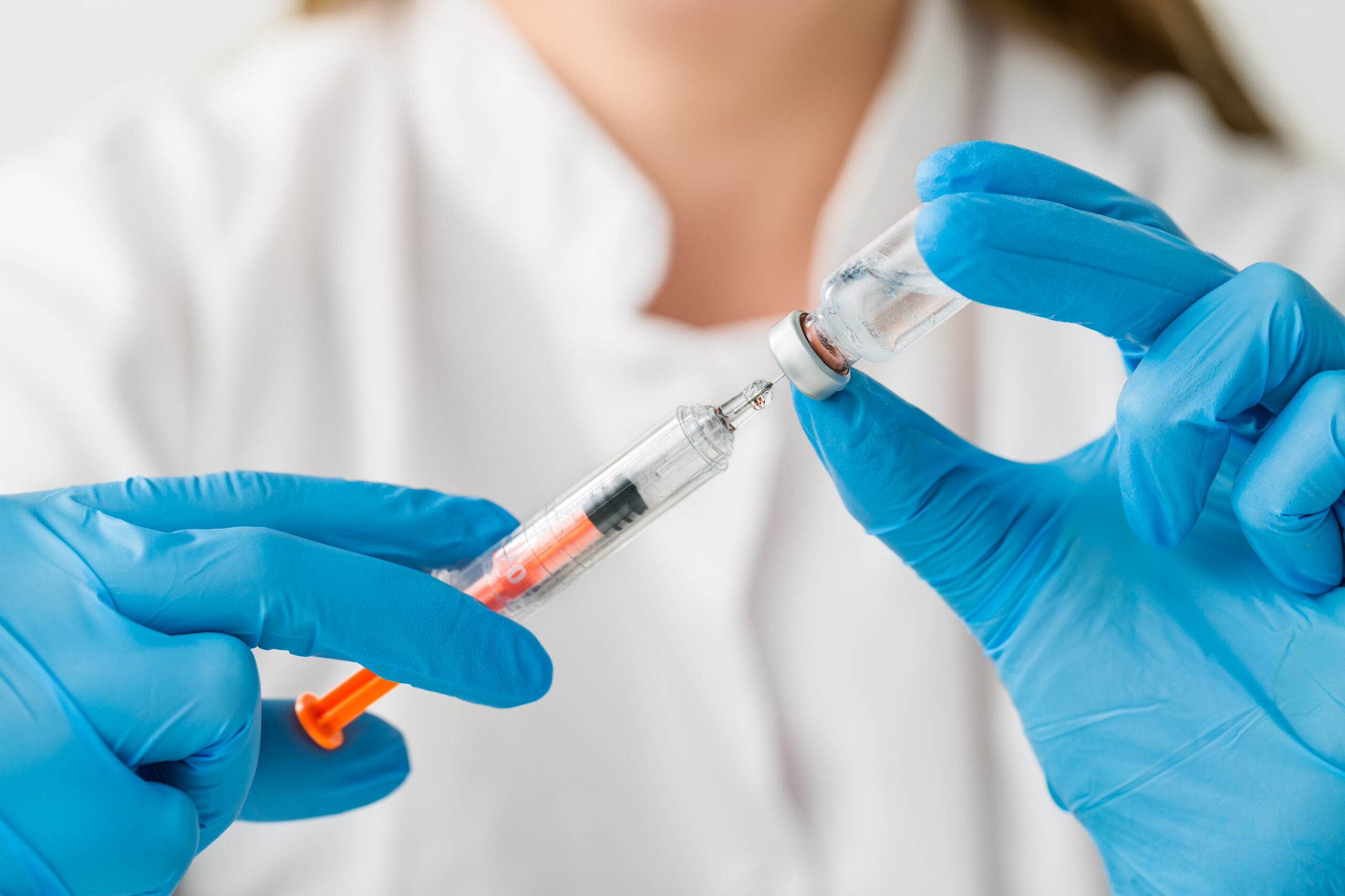
HPV Vaccine: What to Know If You’re Over 45
When it comes to the HPV vaccine, many people wonder: “Am I too old to get it?” The short answer is: it depends — and it’s not always a simple yes or no.
In the United States, vaccine guidelines are set by the Advisory Committee on Immunization Practices (ACIP) — a group that reviews large amounts of scientific data and makes recommendations for doctors, pharmacies, and insurers under the CDC. Because insurance companies typically cover what ACIP recommends, their decisions affect who can easily get a vaccine and when. 
If a clinician offers the vaccine after age 45, it’s considered off-label — meaning they believe it could help but it’s outside standard approval. Off-label prescribing can be done, but it’s up to the clinician and usually paid out of pocket. 
If you’re motivated to get the HPV vaccine and are over 45, you may need to do a bit of legwork:
• Talk openly with your clinician about why you want the vaccine and what risks you’re trying to mitigate.
• You may need to visit multiple clinics before finding a provider comfortable with off-label administration.
• Because it’s off-label and outside the typical guideline, insurance likely won’t cover it. You should expect to pay out of pocket — often around $250 per dose (with three doses needed). 
Here’s a simple way to frame the conversation with a provider:
“I understand the HPV vaccine isn’t FDA-approved for my age, but I’d like to discuss whether it’s reasonable to receive it off-label. I’m sexually active and would like to protect myself against HPV-related cancers. I understand it won’t be covered by insurance.”
Sometimes knowing what to ask makes all the difference.
⸻
HPV is associated with the majority of:
• cervical cancers
• some throat cancers
• anal and other genital cancers
Vaccination has dramatically reduced rates of high-risk HPV infections and pre-cancerous conditions, especially among those vaccinated at recommended ages. 
Protecting yourself isn’t about fear — it’s about understanding your risk and making informed choices based on evidence.
⸻
Learn more:
Want deeper detail on HPV testing and why oral HPV screening isn’t routinely recommended? Listen to our podcast on HPV-16 and Oropharyngeal Cancer for a clinician-led breakdown.
Get valuable knowledge like this, straight to your inbox once a week.
No spam, no sales pitches. Just knowledge. Unsubscribe any time, and we’ll never sell your information.